Mexico’s high levels of food waste are intensifying economic inefficiencies and greenhouse gas emissions, with discarded food generating an estimated 36 million tons of CO2 annually and significant methane output. The issue is gaining urgency as Mexico City implements mandatory waste separation rules, expands composting and recycling capacity, and invests in collection and processing infrastructure to divert organics from landfills.
Mexico is among the countries with the highest levels of food waste, a trend that carries significant environmental and economic consequences. Luis Fernando González Martínez, researcher, UNAM’s Coordinación Universitaria para la Sustentabilidad (COUS), warned that if global food waste were treated as a country, it would rank third worldwide in greenhouse gas emissions and occupy a landmass comparable to a major nation.
Data from the World Bank’s Food Losses and Waste in Mexico (2013) show the scale of the problem domestically. Each year, Mexico wastes 28.7% of tortillas, 43.1% of white bread, 35.4% of beef, 37.2% of rice, 38.7% of fish, 48.7% of shrimp, 43.1% of milk and 40.2% of pork.
González Martínez, who also teaches at UNAM’s Faculty of Economics, stressed the conceptual difference between food loss and food waste. Food loss occurs along the supply chain from harvest to retail, while food waste takes place at the distribution and household level when products are already available for consumption. “In both cases, we are throwing away natural resources, energy and money,” he said.
Globally, roughly 30% of food produced each year is discarded. According to the UN Food and Agriculture Organization, 14% of food — worth about US$400 billion — is lost between harvest and distribution, while an additional 17% is wasted at the retail and consumer stages.
When organic waste decomposes in landfills, it generates methane, a greenhouse gas with a much greater warming potential than carbon dioxide. This contributes directly to climate change and intensifies extreme weather patterns, including droughts and floods.
In Mexico, food waste produces an estimated 36 million metric tons of CO₂ equivalent annually, comparable to the emissions of around 16 million vehicles. Authorities estimate that the equivalent of four truckloads of food are discarded every minute.
Although Mexico has developed a significant food bank network, waste volumes remain high. In response, Mexico City implemented new waste separation rules beginning Jan. 1, 2026. Residents must now classify household waste into three categories: organic, recyclable and nonrecyclable.
Mayor Clara Brugada said the reform is designed to reduce landfill dependency and increase material recovery. “What was once useful can be reused, transformed and given a second life,” she said. The city distributed color-coded bins — green for organic waste, gray for recyclables and orange for nonrecyclables. Organic materials will be processed through composting and hydrothermal carbonization, recyclables will be sent to processing facilities, and nonrecyclable waste will be converted into refuse-derived fuel. No fines will be issued during 2026 as authorities prioritize public adaptation.
Mexico City’s 12 transfer stations process approximately 8,500 metric tons of waste daily, with about 7,000 metric tons ultimately reaching landfills. Organic matter represents 56% of landfill-bound waste, while recyclable and nonrecoverable inorganic materials each account for roughly 21%. The Integrated Waste Management Agency (AGIR) aims to raise recovery rates from 15% to as much as 75% through improved separation practices.
To support implementation, sanitation personnel have received new training, and environmental educators from SEDEMA and local community centers are conducting outreach campaigns. The city is also investing MX$250 million (US$14.52 million) in 50 additional collection trucks.
Further infrastructure upgrades include a MX$150 million (US$8.71 million) modernization of the Bordo Poniente recycling facility and the construction of specialized plants for processing tires, asphalt and construction debris. Composting capacity is set to increase by 50%, reaching 400,000 metric tons annually.
Canada and Mexico are set to face new travel changes to the U.S. as 2026 brings new travel restrictions and policies that could significantly impact cross-border tourism between the countries. These changes focus on enhanced security measures, including mandatory biometric screening for travelers, as well as expanded travel bans for dual nationals from restricted countries. While Canadian and Mexican citizens remain exempt from the restricted country list, dual nationals from these nations holding second citizenship in countries like Cuba or Iran may encounter entry difficulties. These new measures aim to improve security but may also lead to delays and complications for travelers, reshaping the landscape of cross-border tourism.
Mandatory Biometric Entry/Exit: What Travelers Should Expect
Starting December 26, 2025, U.S. Customs and Border Protection (CBP) has expanded biometric entry and exit requirements for nearly all travelers entering or exiting the United States. This policy applies to air, sea, and land ports, including vehicle and pedestrian entry points. Travelers are now required to provide facial biometric data as part of the entry process, replacing previous manual inspection methods. Prior to this change, some groups, such as Canadian visitors and certain diplomats, were exempt from biometric screening. However, this exemption has been removed, and now all non-U.S. citizens must comply with the policy, regardless of nationality. U.S. citizens can opt out of the biometric screening and undergo a manual passport inspection, but Canadian and Mexican citizens, as well as citizens from other countries, will generally be required to participate in the facial recognition system. This change is part of the U.S. government’s broader effort to enhance border security and streamline the entry/exit process, reducing delays and improving safety. For travelers, it’s crucial to understand that failure to comply with these new requirements could lead to delays or denial of entry.
Facial biometrics required for all non-U.S. citizens at airports, sea, and land ports.
No exemptions for Canadians and diplomats; all non-citizens must comply.
U.S. citizens can opt out, but all other travelers must participate.
Failure to comply with the new rules may result in entry delays or denial.
Travel Restrictions for Dual Nationals
As of January 1, 2026, the U.S. expanded the list of countries subject to travel restrictions under a new Presidential Proclamation. While Canada and Mexico are not included on the restricted list, citizens of these countries who hold dual nationality with a restricted country could face significant travel challenges. Dual nationals from restricted countries, such as those from Cuba, Venezuela, Iran, and certain African nations, may be denied entry to the United States unless they are traveling on a U.S. passport or hold a U.S. Green Card. This policy affects individuals who hold citizenship in both a non-restricted country (Canada or Mexico) and a restricted country. As a result, these individuals could experience difficulties obtaining U.S. visas for purposes such as tourism, work, or study. For Canadian and Mexican residents with dual nationality, it’s essential to check the current list of restricted countries before planning travel to the U.S. This measure is aimed at tightening U.S. security protocols, ensuring that individuals from certain countries do not pose a risk to U.S. safety. For dual nationals, it’s recommended to verify their visa status and consult with U.S. authorities if needed to avoid complications at the border.
Dual nationals from restricted countries may be denied entry unless traveling on a U.S. passport.
Dual nationality checks are essential for Canadians and Mexicans with second citizenship.
Restricted country list is expanded; check your status before travel.
Visa difficulties may arise for dual nationals, especially for tourism, work, or study.
The FIFA 2026 World Cup: Border Surge and Enhanced Screening
The 2026 FIFA World Cup, jointly hosted by the U.S., Canada, and Mexico, is expected to attract millions of fans from around the world. As a result, there will be an increase in cross-border travel, which will likely lead to longer wait times and more stringent border security checks. The U.S. government has already indicated that it will implement enhanced screening procedures at land borders and airports, particularly in major cities like Los Angeles, New York, and Toronto, where large numbers of fans are expected to pass through. Border authorities will focus on ensuring that only authorized travelers are allowed entry, with tighter vetting procedures for fans from countries on the U.S. restricted list. Importantly, there will be no exceptions for fans from restricted countries, meaning they will not receive special visa waivers or relaxed entry requirements, even if they hold tickets to World Cup matches. As a result, travelers should prepare for longer processing times, especially at key border crossings such as Windsor-Detroit and San Ysidro. To avoid travel disruptions, World Cup attendees are encouraged to apply for visas well in advance, check entry requirements carefully, and allow extra time for border inspections.
Increased cross-border traffic expected due to the World Cup.
Enhanced screening measures at airports and land borders, particularly in major cities.
No exceptions for fans from restricted countries; no special visa waivers.
Longer wait times at key border crossings, including Windsor-Detroit and San Ysidro.
Trade-Related Border Adjustments Under the USMCA
The U.S.-Mexico-Canada Agreement (USMCA) is entering its first formal six-year review in 2026. As part of this review, the U.S. government is expected to introduce new measures that may affect cross-border travel, particularly for commercial and logistics operations. One of the most significant potential changes includes the introduction of new tariffs or stricter rules of origin for goods traded between the three countries. These changes could increase the time it takes to process commercial shipments, impacting travelers transporting goods across borders. While these changes are primarily aimed at businesses and large-scale shipments, individuals traveling by vehicle may also experience more rigorous secondary inspections at land ports, as authorities tighten enforcement of the updated trade rules. In addition, travelers involved in cross-border business may need to adjust to these new rules, which could involve additional paperwork or delays at the border. For tourists, while the impact may be less direct, those traveling with commercial goods or vehicles should be aware of the increased scrutiny. Travelers should stay informed about USMCA developments and be prepared for any changes that may affect their border crossing experience.
USMCA review in 2026 may introduce new tariffs and stricter rules of origin.
Increased inspection at land borders for commercial shipments and vehicles.
Secondary inspections could impact travelers bringing goods across the border.
Adjustments for cross-border business may involve additional paperwork or delays.
Visa Integrity Fee Refunds: How to Claim Your $250 Refund
Under the One Big Beautiful Bill Act (OBBBA), travelers who paid the $250 Visa Integrity Fee when applying for U.S. visas may be eligible for a refund if they meet certain conditions. However, obtaining this refund is not automatic. The U.S. Department of Homeland Security (DHS) has outlined a specific process that travelers must follow in order to claim their refund. To qualify for a refund, travelers must depart the U.S. no later than five days after their authorized stay ends, without extending their stay or adjusting their status, unless they have received a Green Card. Additionally, travelers must have adhered to all visa rules, such as refraining from unauthorized employment, and the visa must have expired before they can request the refund. The process for applying for a refund involves verifying departure records with the CBP system and submitting a claim through the DHS’s online portal. For Canadian and Mexican residents, it is particularly important to ensure that their departure is properly recorded, as any discrepancies in the system could delay the refund. Refunds are not processed automatically, so travelers must apply manually. This system is still being finalized and may take several years before it fully processes all requests.
Visa Integrity Fee refund is available for eligible travelers who meet specific conditions.
Refund process involves verifying departure records and applying through the DHS portal.
Manual application required, refunds are not processed automatically.
Important for Canadian and Mexican residents to ensure proper departure records are logged.
Key Requirements for Travelers
With new policies in place, it’s crucial for travelers to understand the entry requirements for the U.S., especially if they are coming from Canada or Mexico. Key travel requirements include biometric screening, valid documentation, and visa eligibility. Canadian citizens can use a valid passport or NEXUS card for travel but must comply with biometric screening. Mexican citizens need a valid passport and either a visa or a Border Crossing Card (BCC), also subject to biometric collection. Dual nationals should carefully check if their second nationality falls under the restricted list, as this may prevent them from entering the U.S. if they do not hold a U.S. passport or Green Card. For land travelers, U.S. and Canadian citizens can use Enhanced Driver’s Licenses (EDL) for easier access at land and sea borders. It’s important to verify your travel documents before heading to the border to avoid delays. Travelers should also be prepared for the potential impact of the U.S.-Mexico-Canada Agreement (USMCA) review, which may lead to stricter commercial inspection procedures, especially for those crossing with goods or vehicles. Understanding these requirements and preparing ahead will help ensure a smooth crossing.
Verify travel documents and ensure compliance with biometric screening.
Dual nationals must check their secondary nationality against the restricted list.
Enhanced Driver’s Licenses (EDL) are valid for U.S. and Canadian citizens at land and sea borders.
Stay informed about USMCA developments, as they could affect cross-border inspections.
New Travel Restrictions and Policies
As of 2026, new travel restrictions and policies between Canada, Mexico, and the U.S. are reshaping cross-border tourism. These changes primarily focus on enhanced security measures, including biometric data collection, and expanded travel bans for dual nationals. While Canada and Mexico are not on the restricted country list, dual nationals from these countries who hold citizenship in one of the 39 restricted nations (such as Cuba, Venezuela, Iran) may face challenges when entering the U.S. In addition, there are updates to visa processes, particularly for those seeking tourist, student, or work visas. Travelers must now be more aware of their dual nationality status and the new biometric entry requirements when planning their trips. These restrictions and policies are designed to increase border security and streamline travel but could lead to delays or denials of entry for certain travelers. Understanding these new regulations is crucial for anyone planning to travel to the U.S. from Canada or Mexico.
Key Travel Restrictions and Policies for 2026:
Traveler Type
Requirements
Implications
Canadian Citizens
Valid Passport or NEXUS card; biometric data required.
Must comply with biometric screening.
Mexican Citizens
Valid Passport and Visa (or Border Crossing Card); biometric data required.
Must provide facial biometrics and adhere to visa requirements.
Dual Nationals
Check if secondary citizenship is on the restricted list.
May face denied entry unless traveling on a U.S. passport or Green Card.
Third-Country Nationals (in Canada or Mexico)
May not obtain B, F, M, or J visas if from restricted countries.
Limited ability to obtain new U.S. visas if they are nationals of restricted countries.
Canada and Mexico are set to face new travel changes to the U.S. in 2026, with new travel restrictions and policies that could significantly impact cross-border tourism. These measures include biometric screening and expanded travel bans.
Conclusion
In conclusion, Canada and Mexico are set to face significant new travel changes to the U.S. in 2026, as new travel restrictions and policies are implemented. These changes, which include mandatory biometric screening and expanded travel bans for dual nationals, could significantly impact cross-border tourism between the countries. While these measures are designed to enhance security, they also introduce challenges for travelers from Canada and Mexico, potentially leading to delays or denied entry. As these new policies take effect, travelers must stay informed to navigate the evolving landscape of U.S.-Canada-Mexico travel.
At Least 21 Dead in Tragic Highway Crash Between Oaxaca and Puebla Adapted from a report by Reuters and La Jornada – May 14, 2025
At least 21 people lost their lives on Wednesday in a devastating highway crash along the route connecting the Mexican states of Oaxaca and Puebla, according to Puebla’s Interior Minister Samuel Aguilar.
In a post on social media, Aguilar confirmed that the multi-vehicle collision involved three vehicles, with several others injured and receiving medical treatment.
Mexican newspaper La Jornada reported that the incident occurred when a cement truck, attempting to overtake another vehicle, crossed into the oncoming lane and struck a passenger bus before colliding head-on with a transport van. The truck then veered off the road, crashing into a ravine and bursting into flames.
This latest tragedy adds to a troubling series of deadly accidents on Mexico’s mountainous and often treacherous highways. In March of this year, at least 11 people were killed when a bus overturned in Oaxaca. And in 2023, another 29 lives were lost when a bus plunged into a ravine in the same region.
Authorities continue to investigate the cause of the crash and are working to identify the victims.
Al menos 21 muertos en trágico accidente en la carretera entre Oaxaca y Puebla Adaptado de reportes de Reuters y La Jornada – 14 de mayo de 2025
Al menos 21 personas fallecieron este miércoles en un trágico accidente ocurrido en la carretera que conecta los estados de Oaxaca y Puebla, según informó el secretario de Gobernación de Puebla, Samuel Aguilar.
A través de una publicación en redes sociales, Aguilar confirmó que el accidente involucró tres vehículos y que varias personas más están siendo atendidas por diversas lesiones.
De acuerdo con el diario La Jornada, el choque fatal ocurrió cuando un camión de cemento intentó rebasar a otro vehículo, invadió el carril contrario, y chocó primero contra un autobús de pasajeros y luego de frente contra una camioneta de transporte. Tras el impacto, el camión cayó a un barranco y estalló en llamas.
Este lamentable hecho se suma a una serie de accidentes mortales ocurridos en carreteras estrechas y montañosas de zonas remotas de México. En marzo de este año, al menos 11 personas murieron cuando un autobús volcó en Oaxaca. En 2023, otro accidente similar dejó un saldo de 29 muertos en el sur del país.
Las autoridades continúan investigando las causas del accidente y trabajan en la identificación de las víctimas.
San Juan Chamula, located just 10 km (6.2 miles) from San Cristóbal de las Casas in the Mexican state of Chiapas, is a village known for its strong aversion to photographers.
For years, photography was strictly forbidden, and visitors were often warned not to take photos under any circumstance. However, times have changed. While photography is still not generally permitted, special permits are now sold, allowing tourists to take photographs of the market and local parades.
San Juan Chamula is a municipality and township with a population of around 76,941 as of the 2010 census. The vast majority of its residents are indigenous, primarily of the Tzotzil ethnic group, and nearly all speak an indigenous language—99.5% of the population aged 3 and older, according to the 2010 census. This deep connection to indigenous culture is evident in everyday life, and the town is a living testament to the preservation of ancestral traditions.
One of the most interesting aspects of life in Chamula is its unique relationship with Coca-Cola. The village has the highest per capita consumption of Coke in the world, a curious fact given that it is often cheaper than drinking water.
However, the reasons for this extraordinary consumption go beyond economics. Coca-Cola is deeply intertwined with the community’s religious practices. Chamula’s spiritual life blends Catholicism with ancient indigenous beliefs, and Coca-Cola has become an offering in their ceremonies. Locals drink Coke not just for enjoyment, but as a ritual act; the burping from the carbonation is believed to expel evil spirits.
The church in Chamula, often referred to as the “Coca-Cola Church,” is a fascinating and somewhat unsettling place. Visitors are warned not to take photographs inside, with old tales circulating about tourists who ignored this warning and faced severe consequences—though the truth of such stories is uncertain.
Inside, the church is starkly different from typical Catholic places of worship. There are no pews; instead, the floor is covered with pine branches, and worshippers kneel or lay on the ground as they engage in prayer. The air is thick with incense, and the scent of pine fills the space.
The church also holds sacrificial chickens, with their necks wrung and bodies stretched out in front of worshippers. Candles are abundant, their flickering light casting a solemn glow on the scene. Some local officials even use putty knives to scrape wax from the floor, which is then collected and recycled. One of the most striking features is the altar, where Saint John the Baptist occupies the highest position—a rare sight, as this spot is typically reserved for Jesus in Catholic tradition.
Despite the occasional curious tourist, the locals remain focused on their religious and cultural practices. They are proud of their heritage and march in solemn procession down the main road to the church before and after services, a visible display of their devotion to both their faith and their traditions.
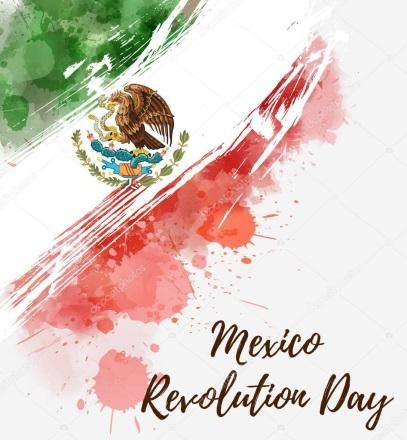
Revolution Day is an official holiday in Mexico and is observed annually on the 20th of November.
National Holiday Remembers Mexican Revolution
Tara A. Spears
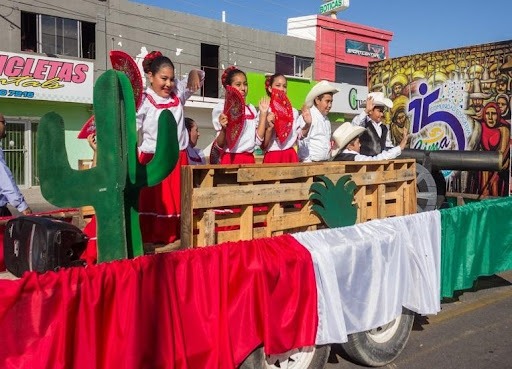
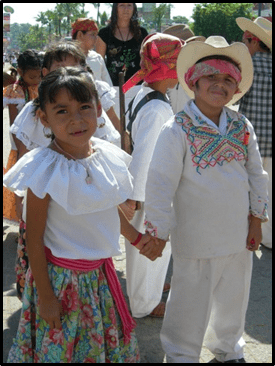
Revolution Day is an official holiday in Mexico and is observed annually on the 20th of November. This holiday celebrates the anniversary of the beginning of the Mexican Revolution—a struggle that ran for approximately 10-years and resulted in Army general José de la Cruz Porfirio Diaz Mori being overthrown. It’s also a holiday from work and school on which people enjoy traditional Mexican foods, and watch or participate in one of the many parades held all over the country. Typically it’s a day of community celebration and jubilance with all of the Jaltemba Bay schools participating in a parade down main street La Penita. But with the threat of spreading covid the usual means of celebrating is altered. The official day off work for government offices and the day the banks are closed is November 15, 2021. While families will travel to the beach, expect a quieter celebration this year without the public parade.
This holiday is often confused with Cinco de Mayo, the date celebrating the victory of the Mexican people over Spain at the Battle of Puebla in 1862. Mexican Independence Day is in fact September 16th. Keep the May 5th in your calendar because the Cinco de Mayo festivities are not to be missed.
Whilst Mexican Independence Day is in fact on 16th September, the celebrations fall over 2 days. September 15th is a reenactment of El Grito de Dolores whilst September 16th is a celebration of the actual day of independence. There is an reenactment performed for the media. A variation of the The Cry of Dolores speech is recited every year at 11pm on the 15th September by the current president of the country and city officials throughout Mexico.
Of course, It’s not a party without food! Look for national flag themed Mexican cuisine with meals inspired by the green, red and white hues of the national flag. Typical traditional and delicious Mexican dishes like Chiles en Nogada, Pork Tinga, Tamales de Puerco and Birria de Borrego are always on the menu. Fireworks are common throughout the four day celebration.
There is a surge in national pride that inspires the country to be decorated with Mexican flags. The streets are transformed with parties, parades and fireworks. Music can be heard all around throughout the day while people dance, dine and drink to celebrate their independence. Although the covid pandemic might limit the official public festivities, families will still observe the holiday at home.
The celebrations for Mexican Independence Day ring out across the world. Enjoy this slice of Mexican culture by people watching. Viva Mexico!
When driving in Mexico, filling up at gas stations is a routine task. Most employees are honest and hardworking, but unsuspecting travelers might encounter various scams designed to overcharge or take advantage of the unwary.
Navigating Gas Station Scams in Mexico: What Travelers Need to Know
When driving in Mexico, filling up at gas stations is a routine task. Most employees are honest and hardworking, but unsuspecting travelers might encounter various scams designed to overcharge or take advantage of the unwary. Here’s a guide to the most common gas station scams in Mexico and how to avoid them.
1. Pump Tampering
Some gas stations manipulate their pumps to dispense less fuel than displayed. While the screen may show that you’ve paid for 10 liters, you might receive only 8 liters.
How to Avoid It:
Look for reputable gas stations, like PEMEX or others with a good reputation.
Note the pump’s starting meter; it should always be at zero before fueling begins.
If possible, calculate your vehicle’s fuel efficiency to identify discrepancies.
2. Switching the Payment
One common scam involves the attendant switching your bill. For instance, if you hand over a 500-peso note, the attendant may claim you only gave them 50 pesos.
How to Avoid It:
Clearly state the denomination of the bill when handing it over.
Count the money out loud in front of the attendant.
Pay attention to the change you receive.
3. Inflated Charges
Some attendants inflate the total amount, especially if you’re paying in cash and not closely watching the transaction.
How to Avoid It:
Monitor the pump throughout the transaction.
Ask for a receipt and double-check the total.
Keep smaller bills on hand to avoid needing change.
4. Card Skimming
Card skimming is a less common but still notable scam, where devices installed on card machines copy your credit or debit card information.
How to Avoid It:
Use cash whenever possible.
If using a card, avoid letting it leave your sight.
Monitor your account for unauthorized charges after fueling up.
5. “No Change” Scam
Attendants may claim they don’t have enough change, leaving you to overpay or abandon your balance.
How to Avoid It:
Carry a variety of bills and coins.
Politely insist on receiving the correct change or ask for exact change in fuel.
6. Adding Unnecessary Products
Some attendants might top off your fuel tank with additional products, such as fuel additives or cleaning agents, without your consent.
How to Avoid It:
Decline offers for additional products or services unless you’re sure they’re necessary.
Keep an eye on the pump to ensure only fuel is added.
7. Fake Fuel Spills
An attendant may pretend to spill fuel to justify charging you for the “wasted” amount.
How to Avoid It:
Position yourself where you can observe the fueling process.
8. Short-Change Scams
Similar to switching bills, attendants may attempt to shortchange you when giving back your balance.
How to Avoid It:
Count your change carefully before leaving.
Address discrepancies immediately.
9. Pressure to Tip
While tipping attendants is customary in Mexico, some may pressure travelers into giving larger tips than necessary.
How to Avoid It:
Tip based on the level of service, typically 5-10 pesos for good service.
Politely but firmly decline if you feel pressured.
Final Tips for a Safe Experience
Choose Busy Stations: Scams are less likely at well-trafficked stations.
Stay Alert: Distractions provide opportunities for dishonest attendants.
Learn Basic Spanish: Understanding key phrases can help avoid misunderstandings.
Ask Locals: Locals often know which stations are reliable.
By staying vigilant and following these tips, travelers can confidently refuel their vehicles and focus on the joys of exploring Mexico’s vibrant landscapes and cultures.
The remnants of Templo Mayor, located in the heart of Mexico City, showcase the grandeur of the Aztec civilization amidst the backdrop of modern buildings. This archaeological site, once a central temple in the ancient city of Tenochtitlan, provides a unique glimpse into the rich history and cultural heritage of the Aztecs.
Exploring the Magnificence of Templo Mayor: A Journey Through Time
Photography by Bill and Dorothy Bell
History
The Templo Mayor was a central fixture in the Aztec capital of Tenochtitlan, present-day Mexico City. Constructed in the late Postclassic period of Mesoamerica, this grand temple was known as the huey teocalli in the Nahuatl language. Dedicated to the gods Huitzilopochtli, the god of war, and Tlaloc, the god of rain and agriculture, Templo Mayor symbolized the duality and balance essential to Aztec culture.
Construction of the first temple began shortly after 1325, following the founding of Tenochtitlan. Over the centuries, it was rebuilt six times, reflecting the growth and evolving architectural prowess of the Aztec civilization. The temple measured approximately 100 by 80 meters (330 by 260 feet) at its base, standing as a towering presence within the Sacred Precinct of the city.
The arrival of Spanish conquistadors in 1521 marked the end of Templo Mayor’s glory. The temple was destroyed during the conquest, and its ruins lay buried until the 20th century. Excavations in the 1970s uncovered the temple’s foundations, revealing a wealth of artifacts and providing invaluable insights into Aztec culture and history.
The intricate stone monolith of Coyolxauhqui, the goddess of the moon, displayed in the Templo Mayor Museum. This stunning artifact showcases the detailed craftsmanship and rich symbolism of the Aztec civilization. (Photo by Bill Bell)
What to Expect
Visitors to Templo Mayor today can explore a fascinating archaeological site that offers a window into the past. The site is well-preserved, with many features of the original temple still visible. Highlights include:
Dual Shrines: At the top of the temple, you can see the remains of the shrines dedicated to Huitzilopochtli and Tlaloc, each accessed by its own staircase.
Artifacts: The Templo Mayor Museum, located adjacent to the site, houses an extensive collection of artifacts uncovered during the excavations. Highlights include the impressive stone monolith of Coyolxauhqui, the goddess of the moon, and numerous ceremonial objects.
Architectural Features: Wander through the site to observe the detailed carvings, intricate stonework, and the remnants of ceremonial platforms and altars that once formed part of the temple complex.
The serpent head carving at Templo Mayor, one of the many striking remnants of the Aztec temple’s grandeur. These carvings provide a glimpse into the religious and cultural significance of the site. (Photo by Bill Bell)
Templo Mayor provides a deeply immersive experience for visitors, blending historical significance with the awe-inspiring legacy of the Aztec civilization. As you walk through this ancient site, you’ll be transported back in time, gaining a profound appreciation for the rich cultural heritage that once flourished in the heart of Mexico City.
For those interested in exploring more, the surrounding area offers a vibrant mix of historical landmarks, shops, and dining options, making your visit to Templo Mayor a truly enriching adventure.
How to Get There
Templo Mayor, a captivating relic of the Aztec civilization, is nestled in the heart of Mexico City. The archaeological site is conveniently located just northeast of the Zocalo, the city’s bustling main plaza. To reach Templo Mayor, visitors can use the extensive public transportation network of Mexico City:
Metro: Take Line 2 (Blue Line) and alight at the Zocalo station. From there, it’s a short walk to the site.
Bus: Numerous buses service the area surrounding the Zocalo. Look for routes that stop at or near the Zocalo or Templo Mayor.
Taxi/Rideshare: Taxis and rideshare services like Uber are widely available throughout the city and can provide a direct route to the site.
El Palacio (The Palace): Dating from 670-1000 AD, El Palacio is the largest building in Sayil, featuring an 85-meter-long facade and three stories. The palace was constructed in phases, with various wings and platforms added over time to enhance stability.
Exploring Sayil: A Journey Through Time in the Heart of Yucatan
Photography by Bill and Dorothy Bell
Sayil Mayan Ruins – Yucatan, Mexico
Sayil is a Maya archaeological site located in the southwestern part of the Yucatán state in Mexico, south of Uxmal. It is part of the UNESCO World Heritage Site designation granted to the Pre-Hispanic Town of Uxmal and its neighboring towns in 1996.
Choc: The ornate carvings and mask-like decorations are prominent features.
History: During the Late Classic era, Sayil was a significant urban center with an estimated population of 9,000 inhabitants. According to Patricia McAnany’s 1990 study, the population ranged from 5,415 to 10,830 based on chultun-based estimates (chultuns are underground storage chambers).
What to See:
El Palacio (The Palace): Dating from 670-1000 AD, El Palacio is the largest building in Sayil, featuring an 85-meter-long facade and three stories. The palace was constructed in phases, with various wings and platforms added over time to enhance stability.
El Mirador (The Observatory): This structure is believed to have been used for astronomical observations.
Puuc-style Columns: These intricately designed columns are a recurring architectural motif at the site.
Stelae: Stone monuments that often commemorate significant historical events or rulers.
Choc: The ornate carvings and mask-like decorations are prominent features.
Puuc-style Columns: These intricately designed columns are a recurring architectural motif at the site.
How to Get There:
By Car: From Mérida, drive south on Highway 261 towards Uxmal. Continue past Uxmal to reach Sayil. The site is well-signposted and has a parking area.
By Bus: Regular buses run from Mérida to Uxmal. From Uxmal, you can hire a taxi to take you to Sayil.
Weather: The Yucatán Peninsula has a tropical climate with a hot and humid season from May to October and a cooler, drier season from November to April. It is advisable to visit during the cooler months to avoid the intense heat.
Safety Precautions:
Hydration: Bring plenty of water, especially during the hotter months.
Sun Protection: Wear a hat, sunscreen, and light, breathable clothing.
Footwear: Wear comfortable walking shoes as the terrain can be uneven.
Insect Repellent: Use repellent to protect against mosquitoes.
Additional Tips:
The site is managed by the Instituto Nacional de Antropología e Historia (INAH) and is open to visitors daily. Check for current opening hours and any restrictions due to conservation efforts.
Bring a camera or smartphone to capture the beautiful ruins and surrounding nature.
Consider visiting Uxmal and other nearby archaeological sites to make the most of your trip to the region.
To view photographs in a larger format, click on them.
The 104km Barranca Larga-Ventanilla highway radically reduces travel time to Oaxaca’s beautiful and bohemian coast, but are local communities prepared for it?
The Oaxaca Coast has long been a dream destination of mine ever since a friend came home from a year in a yoga centre with tales of full Moon circles and plant medicine ceremonies held right on the beach.Last December, after living in Oaxaca City, the capital of the eponymous state, for five months, I finally made it this beautiful Pacific coastline to watch waves pummel Playa Zipolite, Mexico’s only official nude beach; admire the sun set on a sea cape that’s said to be home to buried Aztec treasure; and try neo-shamanic healing in the bohemian town of Mazunte.But getting there was no easy feat.
Oaxaca’s peaceful, fragile and largely undeveloped coast is sheltered by the Sierra Madre del Sur Mountains and was at that time reached by a famously vomit-inducing mountain road with endless hairpin turns from Oaxaca City. Taking seven to eight hours by car – or 10-12 hours by bus – the journey was hard to fit into my work schedule. My only other option was an expensive flight to coastal city Puerto Escondido. I went with a night bus, whose nonstop twists and turns left me feeling like I was riding an out-of-control rollercoaster.Now, just a few months later, a quick weekend trip to the beach is entirely possible. A new 104km “superhighway” connecting Oaxaca City – named the best city in the world by Travel & Leisure in 2023 – to Puerto Escondido, the gateway to almost 600km of glorious coastline, finally opened in February 2024, 15 long years after its inception. It has radically reduced travel time to just 2.5 hours. “The new highway is a game-changer for people who want an easy commute from the city to the beach,” said Colleen Palmer, an American I met who was travelling with her husband. “People were buzzing about the highway when we left Oaxaca City and even more so when we arrived in Puerto Escondido.”Ida Pap/AlamyLGBTQ-friendly Zipolite is where you’ll find lively beach bars (Credit: Ida Pap/Alamy)
I spent a little under two weeks on the so-called Oaxacan Riviera, though I could have easily spent two months. My visit was limited to a small string of villages: the sleepy, hippie town of Mazunte; the fishing village St Agustinillo; and the LGBTQ-friendly Zipolite. Decidedly unplugged, they’re the type of places where ATMs are out of cash for a week and stable Wi-Fi is pretty much non-existent. Bouncing between the crystal healings of Mazunte and the lively beach bars of Zipolite hit the sweet spot.
But there is so much more to the coast. I could have headed south from Zipolite to hit up the nine bays, 36 beaches, coral reefs and lowland jungle of Huatulco National Park, or ventured inland into the mountains to cool off in the magical Copalitilla waterfalls.Or I could have explored surf city Puerto Escondido, whose 20ft waves have earned it the title “Mexican Pipeline”. Once here, it’s a matter of taking a bus, taxi, colectivo (shuttle), boat, tour or private transportation for an hour or two to get to other destinations. For example, a few hours north of Puerto are the remote, biodiverse lagoons of Chacahua National Park, one of the least-developed destinations in the area. Fifteen minutes west from Puerto is Laguna de Manialtepec, which brims with rare birds, crocodiles and bioluminescent plankton.
Besides making it much easier for tourists to get here, the local government says that the road will increase trade between inland areas and the coast and make it easier for people in remote communities to access services like healthcare and education.
The more than 13bn pesos (around £609m) into the project reflects the government’s growing investment in trade and travel infrastructure in Oaxaca. Other projects include the upcoming expansion of Puerto Escondido airport, which will allow for direct international flights to the coast, and the ambitious Interoceanic Corridor, which aims to rival the Panama Canal.Arkadij Schell/Getty ImagesSome residents are concerned that the local infrastructure won’t be able to handle an influx of tourists (Credit: Arkadij Schell/Getty Images)
But as is typically the case when travel becomes more accessible, the highway is a double-edged sword.
Take the highway
The 104km Barranca Larga-Ventanilla highway is an impressive feat of engineering and offers a smooth, quick ride to the coast. It has two traffic lanes and 15 on-and-off-ramps for surrounding communities.
While some construction is still going on, the road is now in use. It’s free for everyone to use until September 2024, when a toll will go into effect for international and domestic tourists not from the state of Oaxaca.
Travellers can rent a car in Oaxaca City or take a bus or minivan. They can also support Coatlanes indigenous community affected by the highway by booking one of the vans offered by Ruta Coatlanes Costa.
On the one hand, a tourism boom could help Oaxaca, one of the poorest states in Mexico, “rise from the ashes, giving people better jobs and a better life, with more opportunities,” said Nef Noyola, who was born on the Oaxaca Coast and now lives in Oaxaca City. Others I spoke to believe that coastal communities will benefit from access to services in Oaxaca City and overall improved connectivity between regions. But gentrification across Oaxaca has people on edge, and as coastal communities grow in popularity with expats and long-term visitors, rising costs are driving residents away. Pollution threatens the pristine landscape, and even the surf itself is changing due to development.A lack of government investment in infrastructure such as sewage treatment facilities means communities and the fragile environments they live in aren’t prepared for hordes of tourists. Some Oaxaqueños feel abandoned by the government’s lack of investment in service infrastructure to match that which was poured into the highway.”Everyone is talking about this,” said Nayola. “In many countries, governments will make sure everything is ready to receive more people before they build a road somewhere. In Mexico, they build stuff first and then they deal with what they were supposed to do before.”Meanwhile, the road has fuelled tensions between a local Indigenous group and the government. Members of the Coatlanes community say they ceded their land and cooperated with the government in the building of the highway for 20 years, with a promise that they’d have exclusive rights to operate transport. That promise wasn’t upheld, inciting the community to block traffic within 24 hours of the road’s inauguration.Arkadij Schell/Getty ImagesTravellers heading to the region should buy from small, locally owned businesses (Credit: Arkadij Schell/Getty Images)
“The quality of the life here is different if you are a white person or if you are Indigenous,” said Isabella Matt, an Afro-Indigenous artist, activist and Puerto Escondido native. “In Puerto Escondido, we have a clear view of this. We have two different Mexicos: The real Mexico, and one the tourists know.”
For those travelling to the region, being mindful and aware of the issues people face is essential, as is spending money in conscious ways, like opting out of resource-heavy accommodations (think beachfront resorts and high-rise hotels) in favour of ecologically responsible ones. Choosing simpler, more affordable accommodations may also help stop inflation.
“Just because you can pay for something more expensive doesn’t mean you should,” said Caleb Ramos Guzmán, who was born in and still lives in Zipolite. “Maybe you are here for a couple of weeks, but we stay here having to live under those prices with limited options.”
Travellers should also try to travel sustainably by buying from small, locally owned businesses; minimising waste; and avoiding plastics. Being very mindful of water use is especially important in drought-stricken Oaxaca.
As the highway opens up the coast like never before, it’s even more clear how precious and vulnerable this ecologically and culturally rich region is. While travellers like myself might rejoice at the prospect of a fast, convenient highway, it’s essential to respect the wellbeing of the land and the people who live there by travelling lightly and consciously.
Insurance for your American or CanadianVehicle while in Mexico
 Mexico’s high levels of food waste are intensifying economic inefficiencies and greenhouse gas emissions, with discarded food generating an estimated 36 million tons of CO2 annually and significant methane output. The issue is gaining urgency as Mexico City implements mandatory waste separation rules, expands composting and recycling capacity, and invests in collection and processing infrastructure to divert organics from landfills.

 50%, reaching 400,000 metric tons annually.



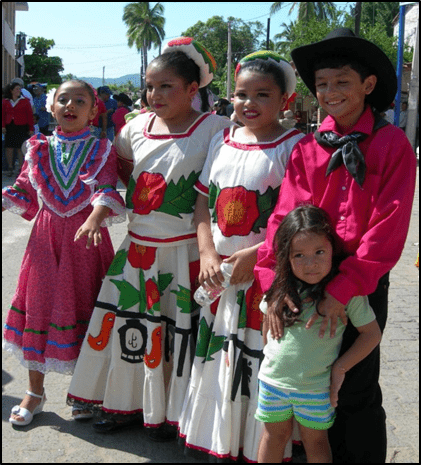 Revolution Day is an official holiday in Mexico and is observed annually on the 20th of November. This holiday celebrates the anniversary of the beginning of the Mexican Revolution—a struggle that ran for approximately 10-years and resulted in Army general José de la Cruz Porfirio Diaz Mori being overthrown. It’s also a holiday from work and school on which people enjoy traditional Mexican foods, and watch or participate in one of the many parades held all over the country. Typically it’s a day of community celebration and jubilance with all of the Jaltemba Bay schools participating in a parade down main street La Penita. But with the threat of spreading covid the usual means of celebrating is altered. The official day off work for government offices and the day the banks are closed is November 15, 2021. While families will travel to the beach, expect a quieter celebration this year without the public parade.




 The 104km Barranca Larga-Ventanilla highway radically reduces travel time to Oaxaca’s beautiful and bohemian coast, but are local communities prepared for it?


