Independence celebrations, trade negotiations and practical travel developments shaped the week in Mexico. Here are eight stories to catch up on, with brief summaries and direct links to the original reporting.
Independence celebrations put sovereignty and community in the spotlight
September 15–16
President Claudia Sheinbaum led the Grito de Independencia from the National Palace as Mexico marked 216 years since the beginning of its independence movement. Her address recognised Indigenous and Afro-Mexican communities and Mexicans living abroad, alongside a renewed emphasis on national sovereignty.
Mexico–U.S. trade talks advance, but no final agreement is announced
September 18
Sheinbaum said negotiations with the United States were progressing following another call with President Donald Trump. She stressed that a final agreement had not yet been reached. The discussions come ahead of further trade negotiations involving tariffs on Mexican vehicles, steel and aluminium.
The peso ends the week weaker against the U.S. dollar
September 18
The peso finished Friday at approximately 17.23 per U.S. dollar, according to El Economista, recording a weekly decline of 1.55%. For travellers budgeting in dollars, the figure offers a snapshot of the market—not the rate a bank, ATM or exchange counter will necessarily provide.
Mexico prepares for its September 19 earthquake drill
Reported September 17; scheduled for September 19
Mexico’s second national emergency drill of 2026 is scheduled for noon, Mexico City time, on September 19. The exercise includes regional earthquake scenarios and alerts through loudspeakers and compatible mobile phones. Visitors should ask their accommodation about its evacuation procedure and designated meeting point.
Education authorities announce plans to restrict phones in schools
September 19
Mexico’s education authorities reached an agreement to restrict cellphone use throughout the school day in primary and secondary schools, with implementation planned for October. La Jornada reported that the full document had not yet been published. Upper-secondary and higher-education communities would develop their own rules.
Residents marched in Culiacán, Sinaloa, calling for an end to violence and justice for missing relatives. Reuters footage showed families carrying photographs and banners after a mass. Their appeals placed the impact on children, parents and everyday community life at the centre of the demonstration.
Border-wall construction begins in part of Texas’s Big Bend region
September 18
U.S. authorities began installing border-wall panels in Hudspeth County, according to the Associated Press. The work has faced opposition from landowners and environmental groups. AP distinguished this project from construction inside nearby Big Bend National Park, which had been temporarily suspended.
Road reports underline the need to check conditions before departure
September 18
N+ reported accident-related closures on the México–Querétaro highway and Querétaro’s northeastern bypass, alongside disruptions elsewhere. These were time-specific reports, not a list of continuing closures. Before a driving day, check fresh notices for your exact road, direction and departure time.
Prepared on the morning of September 19, 2026. This roundup covers reports published September 13–19. Scheduled events and developing stories may change; source links include English and Spanish coverage.
There’s a stretch of Baja California coastline where, every winter, a few thousand gray whales show up to do exactly what their ancestors have done for generations: mate, give birth, and nurse their calves in water calm and warm enough to give a newborn whale a fighting chance before the long swim north to Alaska.
It’s called Scammon’s Lagoon by English speakers and Laguna Ojo de Liebre by Mexicans, and it sits on the Pacific side of the peninsula near the town of Guerrero Negro — roughly 8 to 11 hours’ drive south of the border, depending on where you cross.
The name itself is a bit of an uncomfortable history lesson. Charles Melville Scammon was an American whaling captain who found the lagoon in 1857, and within a few short years he and the other whalers who followed him had hunted the gray whale population here to the edge of extinction. It’s a strange thing, watching whales in a place named after the man who very nearly wiped them out. But the whales came back, the lagoon became a protected biosphere reserve, and today it’s one of the best places on Earth to watch gray whales up close, in the water they were once hunted in.
Thousands of Whales, a Few Feet Away
From January through March, thousands of gray whales migrate into the lagoon. At the peak of the season there can be as many as 1,000 whales here at once. Visitors go out in small boats called pangas — open skiffs that hold 8 to 12 passengers — and it doesn’t take long before you understand why people fly and drive a very long way to do this.
Some of the whales here are known as “friendlies.” Nobody’s entirely sure why, but certain whales — often mothers with calves — will approach a panga on their own, sometimes close enough for someone to reach out and touch them, or for a whale to lift its head almost close enough to kiss. It’s not staged, and it’s not guaranteed, but it happens often enough that it’s become part of the lagoon’s reputation.
And then there’s the breaching. Whale after whale hurling itself out of the water, reaching for the sky, and sinking slowly back into the lagoon — over and over, all around the boat. It’s the kind of thing photographs never quite do justice to, which is why we put together a short video from some of Dorothy’s photos rather than just describing it.
Getting There, and Getting on the Water
Scammon’s Lagoon is an easy add-on to a Baja road trip. Guerrero Negro sits right on Highway 1, so if you’re already driving the peninsula, you’re not going far out of your way. Boat trips run out of town, and most hotels in the area can arrange a spot for you — no advance booking from home required, though showing up during peak season without a plan is asking for a disappointing morning.
If you’re driving down from the US or Canada, remember that Mexican law requires Mexican auto insurance — your home policy won’t cover you south of the border, no matter what your provider tells you. We’ve spent more than three decades driving every state in Mexico, and getting proper coverage sorted before you leave is one of those small pieces of preparation that saves you a world of trouble later. We put together what we’ve learned about Mexican auto and RV insurance for US and Canadian vehicles if you want the details before you go.
The Video
Produced by Bill and Dorothy Bell, photography by Dorothy Bell:
Whale watching seasons vary a little year to year, but January through March is the reliable window. If you’ve been to Scammon’s Lagoon yourself, or you’re planning a trip, we’d love to hear about it in the comments.
Dorothy and I have been driving around Mexico for more than 35 years, and there are certain sights that still stop us in our tracks no matter how many times we’ve seen them. A sky full of hot air balloons drifting silently over the Pyramid of the Sun and the Pyramid of the Moon at sunrise is one of them. It’s one of those experiences that photographs don’t quite do justice to — you really do have to stand there and watch it happen.
Getting there
Teotihuacán is an easy one-hour drive from Mexico City, which makes it one of the most accessible bucket-list experiences anywhere in the country. You don’t need to plan an expedition — just an early alarm.
Booking your flight
Balloon flights over Teotihuacán are bookable right through your hotel — no need to hunt down a separate tour operator once you’re there. Ask when you check in, or arrange it a day or two ahead if you want to be sure of a spot.
What the morning looks like
Pick-up is early, well before sunrise. You’re driven out to Globoport, the balloon launch site near the pyramids, where the balloons are already being laid out and inflated. Once they’re up, crews escort each group of travellers to their designated balloon — there are usually several balloons launching together, which is part of what makes the sight so spectacular once you’re airborne and can see the others drifting alongside you.
Music plays throughout the whole experience, from the drive out to the moment you’re hovering over the ancient city itself, watching the sun come up over pyramids that have stood there for close to two thousand years.
One small piece of advice: take your phone up with you, and call someone you love while you’re airborne. Let them share the moment with you in real time. It’s the kind of experience that’s better when someone else gets to hear you react to it.
Watch it before you go
We put together a short video from photos taken on flights over the pyramids — balloons inflating in the pre-dawn light, the burners firing, and that unforgettable view once you’re up over the ancient city.
One thing to sort out before you leave
However you’re getting to Teotihuacán — as a day trip from Mexico City or as part of a longer Mexico road trip — make sure your Mexican auto insurance is arranged before you go. Canadian and U.S. policies generally do not satisfy Mexico’s liability requirements, so this is something we prefer to sort out before reaching the border.
We may receive a commission if you purchase through our insurance links, at no additional cost to you.
Put Teotihuacán by balloon on your Mexico bucket list. It’s an easy add from Mexico City, and it’s the kind of morning that’s hard to describe properly until you’ve floated over it yourself.
Drive Mexico – Best Travels Photography by Bill Bell
Dorothy and I have been driving around Mexico for more than 35 years now, and every so often we still find something that stops us cold. Celestún did that to us. You come around a bend in the mangroves expecting maybe a few dozen birds, and instead the water is pink from one side of the horizon to the other. At peak times there can be close to 35,000 flamingos in the Celestún Biosphere Reserve. That’s not a typo.
The good news is you don’t need an expedition to see it. This is one of the easiest, most rewarding day trips you can make from Mérida.
Getting there
It’s about a 90-minute drive west of Mérida on Highway 281, and the drive itself is part of the reward — you pass through small, authentic Yucatán communities the whole way, the kind of towns where turkeys still have the right of way on the main street. When you come into Celestún, cross the bridge and look for the Parador Turístico on your left. That’s the tourist cooperative pier, and it’s the best place to arrange your boat into the reserve — legitimate, well-organized, and the boat captains know exactly where the birds will be that day.
Budget roughly $100–160 USD per boat, which holds 6 to 8 people, for a trip that runs 90 minutes to two hours. Split among a group, it’s genuinely inexpensive for what you get.
When to go
Best viewing is November through February, when the flamingo numbers are at their peak. You’ll still see birds outside that window, but if you want the sky-and-water-both-pink experience, plan around those months.
Watch it before you go
We put together a short video from photos we’ve taken there over the years — the drive in, the pier, the boats, and the flamingos themselves, lifting off in that late-afternoon light that Yucatán does so well.
One thing to sort out before you leave
However you’re getting to Celestún — whether this is a side trip from a longer Yucatán road trip or you’re driving down from the border — make sure your Mexican auto insurance is arranged before you go. Canadian and U.S. policies generally do not satisfy Mexico’s liability requirements, so this is something we prefer to sort out before reaching the border.
We may receive a commission if you purchase through our insurance links, at no additional cost to you.
Put Celestún on your Mexico road-trip list. It’s an easy add if you’re already anywhere near Mérida, and it’s the kind of thing that’s hard to describe properly until you’ve seen it yourself.
Drive Mexico – Best Travels Photography by Bill Bell
There is a point before a trip to Mexico when the conversation changes from “We should go” to “What do we need to get done?”
That is where I want to begin. Dorothy, my wife and navigator, and I have spent decades travelling Mexico, but experience doesn’t mean we have finished learning. Someone reading this will have a useful habit, a recent experience or a suggestion we haven’t considered.
So let’s compare notes. How do you get ready?
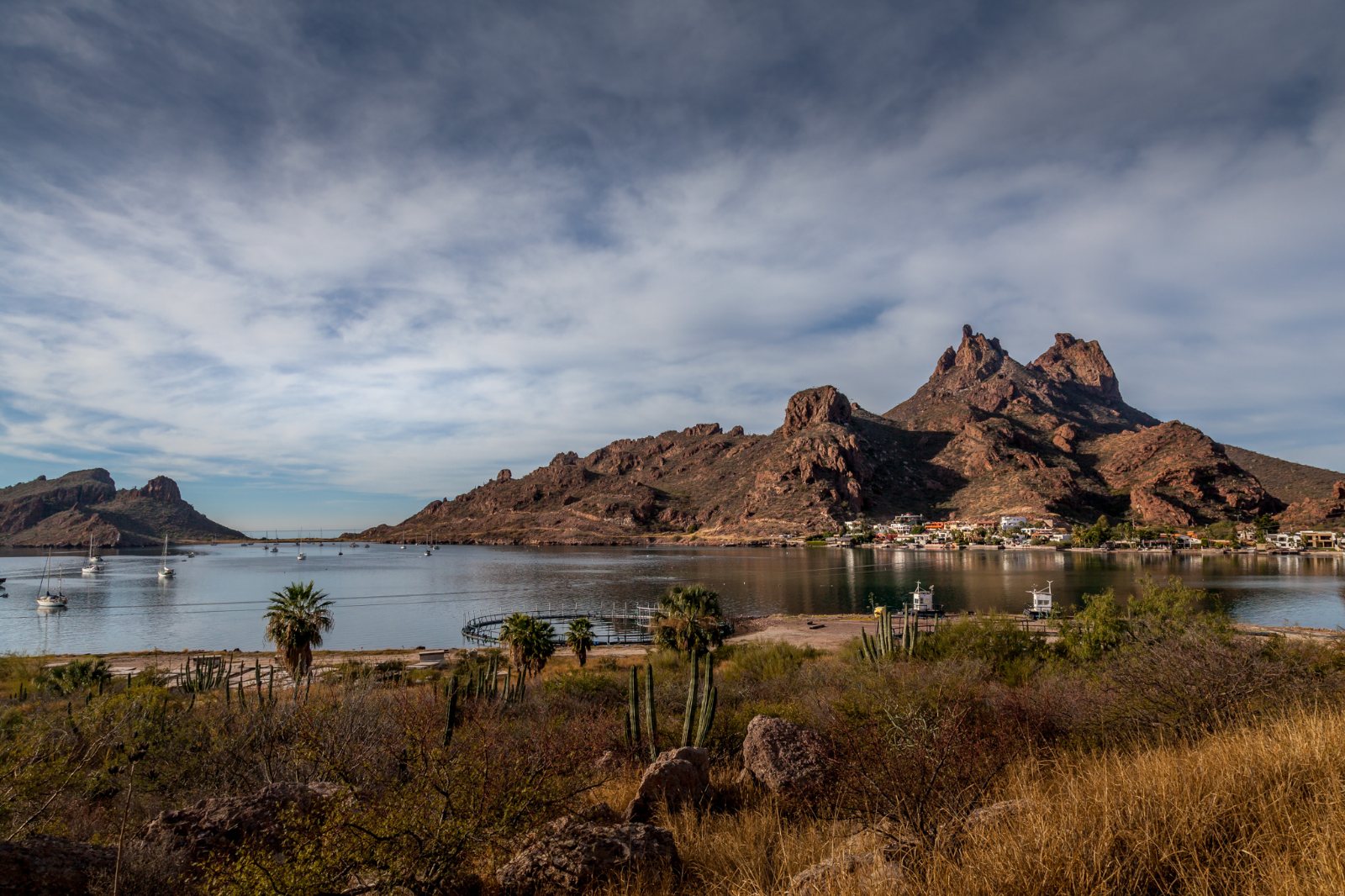
We would start with our route and where we wanted to spend that first night. For us, crossing at Nogales meant planning a long first day’s drive to San Carlos. We wanted a reward at the end of it: warm sea breezes, dinner at our favourite restaurant and a real dose of Mexico.
Having something to look forward to was part of the preparation. We weren’t simply putting kilometres behind us. We were heading somewhere we wanted to be.
Some travellers choose to make the longer drive to Navojoa on their first day. For Dorothy and me, San Carlos was the stop we looked forward to. Either way, we would plan an early start and allow generously for documentation, border lineups and delays. Our aim would always be to arrive in daylight, with another stopping option if the crossing took longer than expected.
What is your approach? A longer first day with a favourite stop waiting at the end, or a short drive after the border so you can settle in?
Before leaving, we would want the vehicle checked: tires and spare, brakes, fluids, lights and battery.
Tires deserve particular attention. We have had a few blowouts because of road conditions, so making sure our tires were in good condition was vital. Check the age of your tires, not just the tread. We would have their age and condition assessed before heading south, including the spare.
We would check which tools our particular vehicle might need, make sure they were on board and keep them accessible once everything was packed. That includes the correct equipment for the spare tire and any locking wheel nuts. If something needed attention, home would be the place to deal with it.
Our vehicle preparation list
Have tire age, condition and pressure checked—including the spare.
Check whether an oil change or other scheduled service is due.
Have brakes, fluids, lights, wipers and battery checked.
Check the jack, wheel tools and any locking-wheel-nut key for the vehicle.
Pack suitable tools and supplies where they can be reached.
Allow time to deal with any faults before departure.
What have you had checked that saved trouble later? What spare or tool has earned its place in your vehicle? Tell us whether you travel by car, van or RV—the answers won’t be the same for everyone.
Then there is the paperwork—and checking what may have changed.
We would confirm the current operating hours for our chosen border crossing and the immigration and vehicle-permit offices we needed to use. We wouldn’t assume that every office kept the same hours, or that last trip’s arrangements still applied.
We would also check the current rules for a Temporary Import Permit, usually called a TIP: whether our route required one, whether we and our vehicle qualified, and what documents we needed.
If this is your first trip, or you have changed vehicles, make that check early. Being registered and road-legal in Canada or the United States does not by itself settle eligibility for temporary importation into Mexico.
A salvage, rebuilt or otherwise branded title deserves specific attention. Check the exact wording with Banjercito before travelling. Owners of larger pickups, vans and RVs should also confirm the applicable vehicle classification and weight or load-capacity rules. Don’t wait until the border to discover a problem with your particular vehicle.
We would arrange our Mexican vehicle insurance online before leaving. Doing it at home gives us time to enter the vehicle details carefully, check the dates, review the coverage and ask questions. We would rather sort that out with the documents in front of us than add another task to a busy border morning.
Once the insurance was arranged, we would save the policy and its claims and assistance numbers somewhere easy to find. I would want our passports, vehicle documents, insurance and permit paperwork organized before reaching the border.
Our documents and medical preparation list
Check passports and current entry requirements for everyone travelling.
Confirm border-crossing and relevant immigration and permit-office operating hours.
Gather vehicle registration, ownership documents and any required permissions.
Check TIP requirements and eligibility for the travellers, vehicle and route.
Arrange Mexican vehicle insurance and save the policy and claims contacts.
Review travel medical coverage and any questions about existing conditions with the provider.
Plan regular medications and bring the relevant prescription information.
Keep accessible paper and digital copies of important documents and emergency contacts.
How do you keep yours? A binder, a simple folder, copies on your phone? What did you wish you had ready the last time you crossed?
Our phones belong on the preparation list too.
We would program important numbers before leaving: insurance and assistance contacts, places we planned to stay, family and anyone we might need to reach along the way. I would keep a separate copy in case the phone was lost, flat or unavailable.
And we would sort out how our phones were going to work in Mexico. Are we keeping our Canadian or U.S. service with a plan that includes Mexico, or switching to a Mexican SIM or eSIM?
Those are different arrangements. We would ask about calls, data, charges and limits on extended use in Mexico. If changing SIMs, we would check compatibility and how we would receive calls or verification messages sent to our usual number.
What has worked for you? Tell us which arrangement you used, how long you travelled and whether there were surprises. What works for a short holiday may not suit several months on the road.
There is also a difference between knowing a route and knowing what has happened on it recently. We would want to hear from people who had just travelled the roads we were considering.
Was there construction? Had an overnight stop changed? Was a campground still operating as expected? Did a crossing take longer than anticipated?
A useful report tells us where, when and what you actually experienced. We would use those reports alongside current official information to help make our decisions. Our On the Road in México Facebook community is a place to exchange those experiences and ask questions.
Packing deserves its own conversation. Water, something to eat, glasses, chargers, regular medications and our overnight bag would need to be within reach. Unloading half the vehicle to find one small bag is not much of an arrival plan.
We would also have maps available without a connection.
What have you forgotten once and never forgotten again? What have you finally learned to leave at home?
Then there is the home we are leaving behind—mail, bills, plants and someone to contact if something needs attention. It is easier to enjoy the road when those loose ends have been dealt with.
Our leaving-home list
Arrange bills and check that scheduled payments will be covered.
Check credit-card expiry dates, overseas use and any travel-notification requirements with the issuer.
Arrange mail collection or a hold.
Arrange care for plants and any pets staying home.
Choose a trusted home contact and agree how to reach each other.
Leave necessary keys, emergency contacts and household instructions with that person.
Check any home-insurance requirements for an extended absence.
For me, the cameras belong on the list too: batteries, memory cards, chargers and a way to back up the photographs. I want to be ready when something catches my eye.
That is what preparation makes room for: a market we haven’t visited, a meal worth lingering over, the people we meet and the places we want to photograph.
Sunset in San Carlos—a first evening worth looking forward to. Photograph by Bill Bell.
For Dorothy and me, San Carlos gave that first day a purpose beyond the drive. Getting there comfortably started with the work we did before leaving—and listening to other travellers.
What would you add—and why?
Send your tips to jaltembasol@gmail.com, or leave them in the comments on our published Facebook post. Share what you do to prepare and the experience that taught you to do it. Tell us whether you travel by car, van or RV. For recent road or border information, include where and when you travelled.
We will bring your contributions together with our experience and checked reference information to produce a comprehensive trip-preparation guide, posted here for all road travellers to use.
First trip or fiftieth, you have something to contribute. Questions are welcome too—they help us see what the guide needs to answer.
Dorothy and I have our starting list. What would you add—and why?
We may receive a referral commission when you purchase through our insurance link, at no additional cost to you.
Long Drive South: Practical Advice for Driving Mexico
After decades of logging miles across Mexico—publishing road reports, running On the Road in Mexico, and advising thousands of travelers on vehicle permits and Mexican auto insurance—one question lands in my inbox more than any other: “Is it actually safe to drive?”
I enjoy the drive south, but experience is no substitute for checking the route ahead. We could not verify the winter-driver and vehicle-permit totals previously quoted here, so those estimates have been removed.
What the numbers can—and cannot—tell us
The U.S. State Department’s reporting on non-natural deaths abroad concerns U.S. citizens, not a defined sample of tourists driving Mexican highways. It lists dates, places and causes of death. Those records alone do not give us a tourist driving risk rate.
Dividing deaths by visitor arrivals and comparing the result with a full-year U.S. resident homicide rate mixes different populations and time at risk. It does not establish that a road traveller is “ten times safer” in Mexico. We also could not substantiate the earlier border-city percentage or the claimed toll-road casualty rate.
Vehicle theft: do not assume your rig is exempt
Canada’s Mexico advisory names camper vans, SUVs and pickups as carjacking targets. It does not provide separate figures for motorhomes, fifth-wheels or travel trailers. We have not verified a specific motorhome or fifth-wheel carjacking report in this review, and the advisory should not be read as evidence that all RV types are commonly targeted. The absence of a verified report also does not establish zero risk. Read the current Canadian safety advice.
The previous comparison table mixed U.S. city incident totals with unsupported descriptions of Mexican highway risk. It did not use matching years, definitions or exposure measures, so it has been removed.
Check the whole route
Check current state and regional advisories before choosing each day’s drive. As reviewed September 18, 2026, Canada advises avoiding non-essential travel in Sinaloa, with specified destination exceptions that require arrival by air or sea. Those exceptions do not authorize a drive through the state on Highway 15D. Read the regional warnings and exceptions.
Road conditions and security conditions are separate questions. An open highway is not an assurance of safe travel. Our current road reports provide dated updates; check again before departure.
Practical habits for the drive
Plan daylight driving. Choose an overnight stop early enough to allow for delays.
Use toll routes where appropriate. They do not remove security risks or override regional warnings. Check conditions on your chosen road.
Arrange insurance before departure. Confirm Mexican liability coverage, deductibles, assistance and claims procedures with your insurer. Our insurance guide explains the options.
If threatened, do not resist. People matter more than the vehicle or its contents.
These precautions reflect Canada’s Mexico travel advice. They reduce avoidable exposure; they cannot promise a trouble-free trip.
Mexico has given us decades of memorable road journeys. My advice is to prepare carefully, leave room to change plans and judge the next stretch on current information.
Correction, September 18, 2026: Unverified travel totals, numerical risk comparisons and vehicle-targeting assurances have been removed. This article is practical guidance, not a statistical estimate of your personal risk.
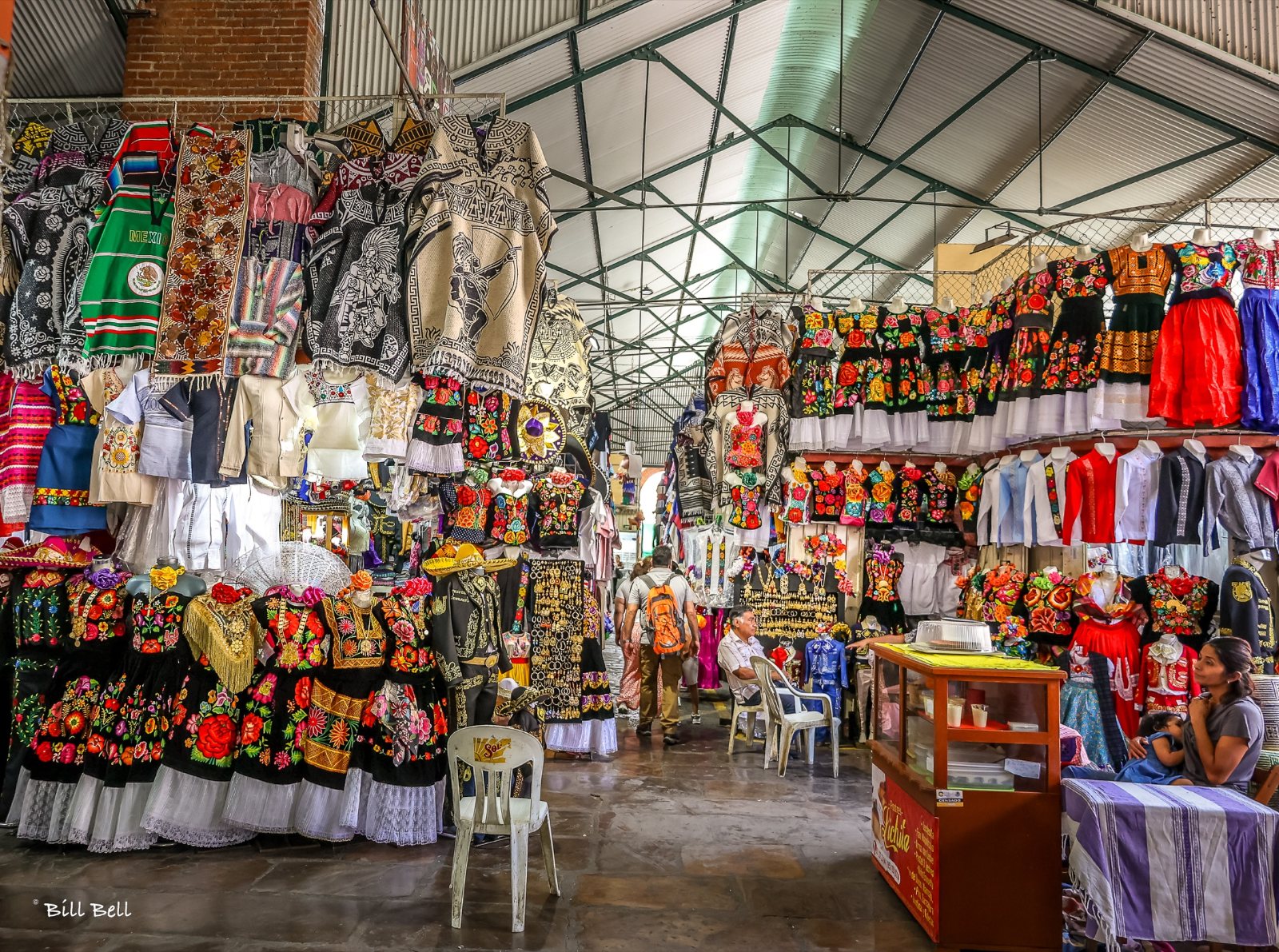
Shopping in a Mexican market is a life experience filled with colour, conversation, aromas and surprises. You may arrive looking for tomatoes and leave with a bag of fruit you hadn’t planned to buy, advice on how to prepare it, and an appetite that has completely rearranged your afternoon.
Across our travels through Mexico, markets have been places where we stop, look and linger. Through my camera, I find myself drawn as much to the people as to the goods: a vendor arranging a display, a customer choosing carefully, an exchange across a counter. The purchase is only one part of what is happening.
There is plenty to catch the eye. Embroidered clothing hangs in bright rows. Sacks of dried ingredients crowd a stall. Deep red hibiscus flowers promise a refreshing glass of agua de jamaica. Handwritten signs offer clues, although sometimes the best way to understand what you are looking at is simply to ask.
For a photographer, the challenge is deciding where to point the camera. For a shopper, it is remembering what you came for.
These are working places. Behind the displays are long hours, physical effort and the daily business of making a living. What makes a wonderful photograph for a visitor is someone else’s workplace, their routine and their livelihood. That deserves respect, especially when photographing the people who give a market its character.
From major mercados to city life
Some of Mexico’s best-known mercados show how varied the experience can be. In Mexico City, La Merced and Mercado de San Juan are familiar names for anyone interested in exploring the capital through its food. They offer another way to understand a city: through its ingredients, its counters and the everyday business of feeding people. Mexico City Tourism
In Oaxaca, Mercado Benito Juárez is one of the city’s longstanding market landmarks. Its place in local life is a reminder that a market can become as much a part of a city’s identity as its churches and plazas. Oaxaca Tourism
Guadalajara’s Mercado Libertad, better known as San Juan de Dios, brings together handicrafts, clothing, shoes and food counters serving dishes such as birria and tortas ahogadas. It is the sort of place where a shopping list can quickly become a suggestion. You came for one thing; lunch and several other discoveries intervened. Guadalajara Tourism
Small mercados, bigger conversations
But a market doesn’t have to be famous to deserve your time. A small neighbourhood mercado can offer just as much reason to stop, talk and look closely. The well-known names may draw us in, but it is often an ordinary exchange across a counter that stays with us afterward.
Convenience versus the market rhythm
Over the years, I have also noticed the growing presence of shopping malls and large stores. Conversations with Mexicans have left me wondering whether shopping habits are shifting—and what that might mean for the markets we have enjoyed for so long.
Those conversations are impressions gathered along the road, not a verdict on an entire country. Mexico is too varied for that. Markets remain vibrant in many of the places we visit. Still, I find myself hoping that convenience will leave room for the experience of shopping face to face.
I understand the appeal of finding everything under one roof, with predictable hours and an easy place to park. People have busy lives, and where they shop is a practical decision. Markets have to earn their customers’ business, just as other shops do.
Yet there is something I would miss if shopping became only a matter of filling a cart and heading for the parking lot.
In a market, you can ask questions. You can learn what is in season, watch something being prepared and discover an ingredient you cannot name. A familiar vendor may know what you like. A brief errand can become a conversation. Sometimes the most memorable thing you take away never goes into your shopping bag.
Looking through my photographs, that is what I want to share: markets as we encountered them, and the small human moments that kept us coming back.
I hope those experiences remain part of Mexico’s future. And whenever the opportunity comes along, I intend to keep walking through the market—with a camera, a little curiosity and enough room in the day for an unexpected lunch.
Facebook caption: Market day in Mexico still feels like the real heart of a journey—people, stories, food, and the small moments you can’t buy in a mall. From colorful stalls to quick conversations that become mini adventures, this one is for everyone who wants to see how much more shopping can be when it’s face-to-face.
Reviewed September 2026: There are more than two dozen official land crossings between the U.S. and Mexico, and picking the wrong one for your route can turn a quick trip into a long wait. Below, every major crossing is grouped by region so you can find yours, then click through to On the Road in Mexico’s crossing-specific guide for route notes. Hours, lanes and restrictions shift often, so always confirm the current status before you travel.
Lane hours aren’t uniform. Passenger, pedestrian, commercial, Ready and SENTRI lanes can run on entirely different schedules — check the specific lane you’ll use.
Immigration is a separate stop. Your entry document doesn’t come from the same office as the vehicle lane, and that office may keep its own hours.
Vehicle permits need their own confirmation. If you need a Temporary Import Permit, go through an authorized Banjercito channel and confirm where it can be issued and later cancelled.
Insurance isn’t optional. U.S. and Canadian policies generally do not satisfy Mexico’s liability requirements, so arrange Mexican liability coverage before you cross.
Match the crossing to your rig. A crossing that’s simple in a sedan can be a real headache in a motorhome or towing a trailer — plan accordingly.
A note on accuracy: We’re working through each individual crossing guide to replace outdated fixed-hour claims with current official sources and clear review dates. Until a specific guide shows a recent review date, confirm every operational detail yourself before relying on it.
Mexico’s high levels of food waste are intensifying economic inefficiencies and greenhouse gas emissions, with discarded food generating an estimated 36 million tons of CO2 annually and significant methane output. The issue is gaining urgency as Mexico City implements mandatory waste separation rules, expands composting and recycling capacity, and invests in collection and processing infrastructure to divert organics from landfills.
Mexico is among the countries with the highest levels of food waste, a trend that carries significant environmental and economic consequences. Luis Fernando González Martínez, researcher, UNAM’s Coordinación Universitaria para la Sustentabilidad (COUS), warned that if global food waste were treated as a country, it would rank third worldwide in greenhouse gas emissions and occupy a landmass comparable to a major nation.
Data from the World Bank’s Food Losses and Waste in Mexico (2013) show the scale of the problem domestically. Each year, Mexico wastes 28.7% of tortillas, 43.1% of white bread, 35.4% of beef, 37.2% of rice, 38.7% of fish, 48.7% of shrimp, 43.1% of milk and 40.2% of pork.
González Martínez, who also teaches at UNAM’s Faculty of Economics, stressed the conceptual difference between food loss and food waste. Food loss occurs along the supply chain from harvest to retail, while food waste takes place at the distribution and household level when products are already available for consumption. “In both cases, we are throwing away natural resources, energy and money,” he said.
Globally, roughly 30% of food produced each year is discarded. According to the UN Food and Agriculture Organization, 14% of food — worth about US$400 billion — is lost between harvest and distribution, while an additional 17% is wasted at the retail and consumer stages.
When organic waste decomposes in landfills, it generates methane, a greenhouse gas with a much greater warming potential than carbon dioxide. This contributes directly to climate change and intensifies extreme weather patterns, including droughts and floods.
In Mexico, food waste produces an estimated 36 million metric tons of CO₂ equivalent annually, comparable to the emissions of around 16 million vehicles. Authorities estimate that the equivalent of four truckloads of food are discarded every minute.
Although Mexico has developed a significant food bank network, waste volumes remain high. In response, Mexico City implemented new waste separation rules beginning Jan. 1, 2026. Residents must now classify household waste into three categories: organic, recyclable and nonrecyclable.
Mayor Clara Brugada said the reform is designed to reduce landfill dependency and increase material recovery. “What was once useful can be reused, transformed and given a second life,” she said. The city distributed color-coded bins — green for organic waste, gray for recyclables and orange for nonrecyclables. Organic materials will be processed through composting and hydrothermal carbonization, recyclables will be sent to processing facilities, and nonrecyclable waste will be converted into refuse-derived fuel. No fines will be issued during 2026 as authorities prioritize public adaptation.
Mexico City’s 12 transfer stations process approximately 8,500 metric tons of waste daily, with about 7,000 metric tons ultimately reaching landfills. Organic matter represents 56% of landfill-bound waste, while recyclable and nonrecoverable inorganic materials each account for roughly 21%. The Integrated Waste Management Agency (AGIR) aims to raise recovery rates from 15% to as much as 75% through improved separation practices.
To support implementation, sanitation personnel have received new training, and environmental educators from SEDEMA and local community centers are conducting outreach campaigns. The city is also investing MX$250 million (US$14.52 million) in 50 additional collection trucks.
Further infrastructure upgrades include a MX$150 million (US$8.71 million) modernization of the Bordo Poniente recycling facility and the construction of specialized plants for processing tires, asphalt and construction debris. Composting capacity is set to increase by 50%, reaching 400,000 metric tons annually.
When driving in Mexico, filling up at gas stations is a routine task. Most employees are honest and hardworking, but unsuspecting travelers might encounter various scams designed to overcharge or take advantage of the unwary.
Navigating Gas Station Scams in Mexico: What Travelers Need to Know
When driving in Mexico, filling up at gas stations is a routine task. Most employees are honest and hardworking, but unsuspecting travelers might encounter various scams designed to overcharge or take advantage of the unwary. Here’s a guide to the most common gas station scams in Mexico and how to avoid them.
1. Pump Tampering
Some gas stations manipulate their pumps to dispense less fuel than displayed. While the screen may show that you’ve paid for 10 liters, you might receive only 8 liters.
How to Avoid It:
Look for reputable gas stations, like PEMEX or others with a good reputation.
Note the pump’s starting meter; it should always be at zero before fueling begins.
If possible, calculate your vehicle’s fuel efficiency to identify discrepancies.
2. Switching the Payment
One common scam involves the attendant switching your bill. For instance, if you hand over a 500-peso note, the attendant may claim you only gave them 50 pesos.
How to Avoid It:
Clearly state the denomination of the bill when handing it over.
Count the money out loud in front of the attendant.
Pay attention to the change you receive.
3. Inflated Charges
Some attendants inflate the total amount, especially if you’re paying in cash and not closely watching the transaction.
How to Avoid It:
Monitor the pump throughout the transaction.
Ask for a receipt and double-check the total.
Keep smaller bills on hand to avoid needing change.
4. Card Skimming
Card skimming is a less common but still notable scam, where devices installed on card machines copy your credit or debit card information.
How to Avoid It:
Use cash whenever possible.
If using a card, avoid letting it leave your sight.
Monitor your account for unauthorized charges after fueling up.
5. “No Change” Scam
Attendants may claim they don’t have enough change, leaving you to overpay or abandon your balance.
How to Avoid It:
Carry a variety of bills and coins.
Politely insist on receiving the correct change or ask for exact change in fuel.
6. Adding Unnecessary Products
Some attendants might top off your fuel tank with additional products, such as fuel additives or cleaning agents, without your consent.
How to Avoid It:
Decline offers for additional products or services unless you’re sure they’re necessary.
Keep an eye on the pump to ensure only fuel is added.
7. Fake Fuel Spills
An attendant may pretend to spill fuel to justify charging you for the “wasted” amount.
How to Avoid It:
Position yourself where you can observe the fueling process.
8. Short-Change Scams
Similar to switching bills, attendants may attempt to shortchange you when giving back your balance.
How to Avoid It:
Count your change carefully before leaving.
Address discrepancies immediately.
9. Pressure to Tip
While tipping attendants is customary in Mexico, some may pressure travelers into giving larger tips than necessary.
How to Avoid It:
Tip based on the level of service, typically 5-10 pesos for good service.
Politely but firmly decline if you feel pressured.
Final Tips for a Safe Experience
Choose Busy Stations: Scams are less likely at well-trafficked stations.
Stay Alert: Distractions provide opportunities for dishonest attendants.
Learn Basic Spanish: Understanding key phrases can help avoid misunderstandings.
Ask Locals: Locals often know which stations are reliable.
By staying vigilant and following these tips, travelers can confidently refuel their vehicles and focus on the joys of exploring Mexico’s vibrant landscapes and cultures.




 Mexico’s high levels of food waste are intensifying economic inefficiencies and greenhouse gas emissions, with discarded food generating an estimated 36 million tons of CO2 annually and significant methane output. The issue is gaining urgency as Mexico City implements mandatory waste separation rules, expands composting and recycling capacity, and invests in collection and processing infrastructure to divert organics from landfills.


