By Bill Bell
There is a point before a trip to Mexico when the conversation changes from “We should go” to “What do we need to get done?”
That is where I want to begin. Dorothy, my wife and navigator, and I have spent decades travelling Mexico, but experience doesn’t mean we have finished learning. Someone reading this will have a useful habit, a recent experience or a suggestion we haven’t considered.
So let’s compare notes. How do you get ready?
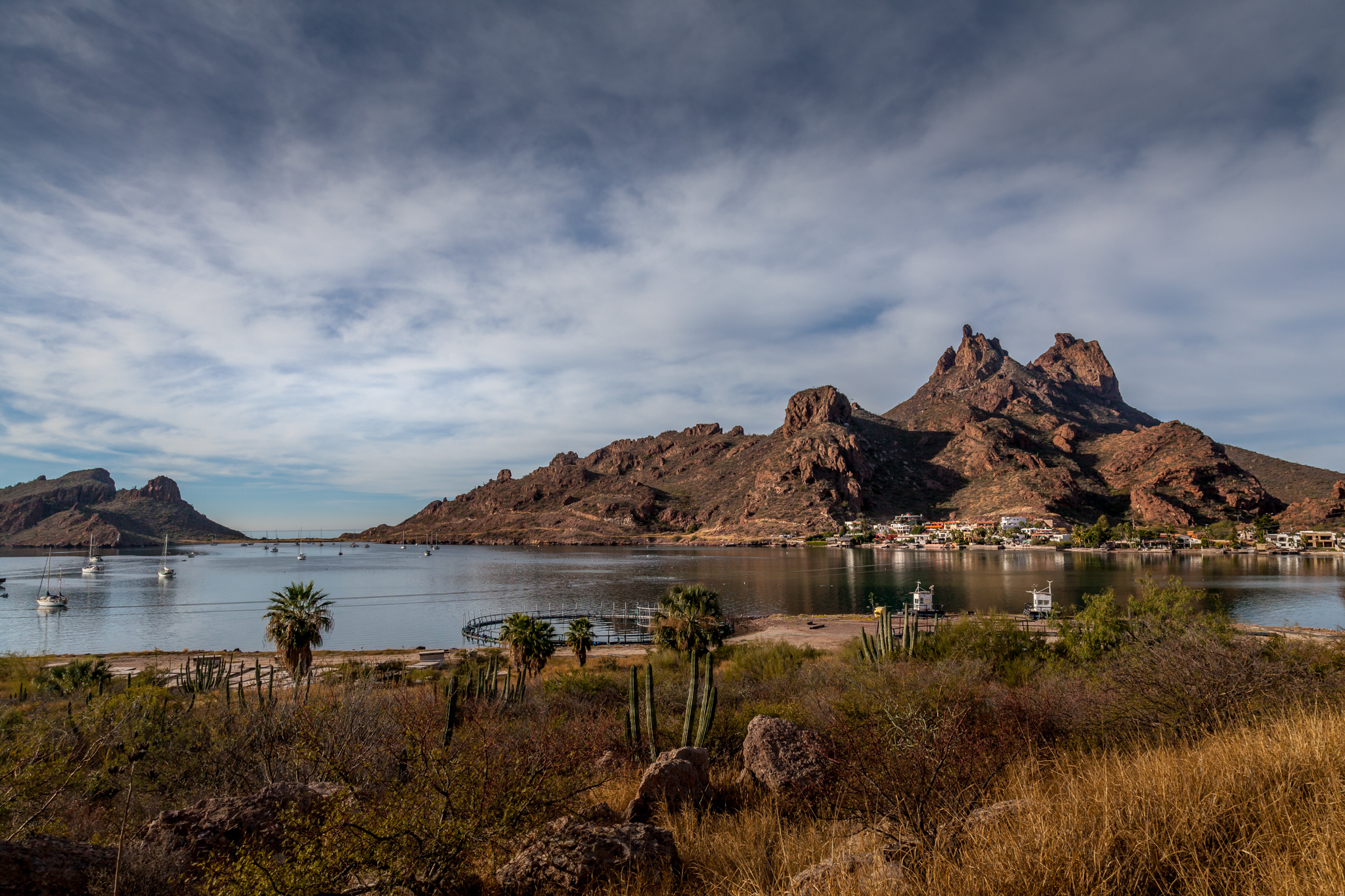
We would start with our route and where we wanted to spend that first night. For us, crossing at Nogales meant planning a long first day’s drive to San Carlos. We wanted a reward at the end of it: warm sea breezes, dinner at our favourite restaurant and a real dose of Mexico.
Having something to look forward to was part of the preparation. We weren’t simply putting kilometres behind us. We were heading somewhere we wanted to be.
Some travellers choose to make the longer drive to Navojoa on their first day. For Dorothy and me, San Carlos was the stop we looked forward to. Either way, we would plan an early start and allow generously for documentation, border lineups and delays. Our aim would always be to arrive in daylight, with another stopping option if the crossing took longer than expected.
What is your approach? A longer first day with a favourite stop waiting at the end, or a short drive after the border so you can settle in?
Before leaving, we would want the vehicle checked: tires and spare, brakes, fluids, lights and battery.
Tires deserve particular attention. We have had a few blowouts because of road conditions, so making sure our tires were in good condition was vital. Check the age of your tires, not just the tread. We would have their age and condition assessed before heading south, including the spare.
We would check which tools our particular vehicle might need, make sure they were on board and keep them accessible once everything was packed. That includes the correct equipment for the spare tire and any locking wheel nuts. If something needed attention, home would be the place to deal with it.
Our vehicle preparation list
- Have tire age, condition and pressure checked—including the spare.
- Check whether an oil change or other scheduled service is due.
- Have brakes, fluids, lights, wipers and battery checked.
- Check the jack, wheel tools and any locking-wheel-nut key for the vehicle.
- Pack suitable tools and supplies where they can be reached.
- Allow time to deal with any faults before departure.
What have you had checked that saved trouble later? What spare or tool has earned its place in your vehicle? Tell us whether you travel by car, van or RV—the answers won’t be the same for everyone.
Then there is the paperwork—and checking what may have changed.
We would confirm the current operating hours for our chosen border crossing and the immigration and vehicle-permit offices we needed to use. We wouldn’t assume that every office kept the same hours, or that last trip’s arrangements still applied.
We would also check the current rules for a Temporary Import Permit, usually called a TIP: whether our route required one, whether we and our vehicle qualified, and what documents we needed.
If this is your first trip, or you have changed vehicles, make that check early. Being registered and road-legal in Canada or the United States does not by itself settle eligibility for temporary importation into Mexico.
A salvage, rebuilt or otherwise branded title deserves specific attention. Check the exact wording with Banjercito before travelling. Owners of larger pickups, vans and RVs should also confirm the applicable vehicle classification and weight or load-capacity rules. Don’t wait until the border to discover a problem with your particular vehicle.
Our On the Road in Mexico planning information is a starting point. Confirm current requirements with the relevant authorities before departure.
We would arrange our Mexican vehicle insurance online before leaving. Doing it at home gives us time to enter the vehicle details carefully, check the dates, review the coverage and ask questions. We would rather sort that out with the documents in front of us than add another task to a busy border morning.
Start with our updated Mexican auto insurance guide and compare coverage options for your trip. Review the policy’s liability limit, coverage, deductibles, exclusions and assistance arrangements before deciding. Make sure the policy is issued and the coverage starts when you need it.
Once the insurance was arranged, we would save the policy and its claims and assistance numbers somewhere easy to find. I would want our passports, vehicle documents, insurance and permit paperwork organized before reaching the border.
Our documents and medical preparation list
- Check passports and current entry requirements for everyone travelling.
- Confirm border-crossing and relevant immigration and permit-office operating hours.
- Gather vehicle registration, ownership documents and any required permissions.
- Check TIP requirements and eligibility for the travellers, vehicle and route.
- Arrange Mexican vehicle insurance and save the policy and claims contacts.
- Review travel medical coverage and any questions about existing conditions with the provider.
- Plan regular medications and bring the relevant prescription information.
- Keep accessible paper and digital copies of important documents and emergency contacts.
How do you keep yours? A binder, a simple folder, copies on your phone? What did you wish you had ready the last time you crossed?
Our phones belong on the preparation list too.
We would program important numbers before leaving: insurance and assistance contacts, places we planned to stay, family and anyone we might need to reach along the way. I would keep a separate copy in case the phone was lost, flat or unavailable.
And we would sort out how our phones were going to work in Mexico. Are we keeping our Canadian or U.S. service with a plan that includes Mexico, or switching to a Mexican SIM or eSIM?
Those are different arrangements. We would ask about calls, data, charges and limits on extended use in Mexico. If changing SIMs, we would check compatibility and how we would receive calls or verification messages sent to our usual number.
What has worked for you? Tell us which arrangement you used, how long you travelled and whether there were surprises. What works for a short holiday may not suit several months on the road.
There is also a difference between knowing a route and knowing what has happened on it recently. We would want to hear from people who had just travelled the roads we were considering.
Was there construction? Had an overnight stop changed? Was a campground still operating as expected? Did a crossing take longer than anticipated?
A useful report tells us where, when and what you actually experienced. We would use those reports alongside current official information to help make our decisions. Our On the Road in México Facebook community is a place to exchange those experiences and ask questions.
Packing deserves its own conversation. Water, something to eat, glasses, chargers, regular medications and our overnight bag would need to be within reach. Unloading half the vehicle to find one small bag is not much of an arrival plan.
We would also have maps available without a connection.
What have you forgotten once and never forgotten again? What have you finally learned to leave at home?
Then there is the home we are leaving behind—mail, bills, plants and someone to contact if something needs attention. It is easier to enjoy the road when those loose ends have been dealt with.
Our leaving-home list
- Arrange bills and check that scheduled payments will be covered.
- Check credit-card expiry dates, overseas use and any travel-notification requirements with the issuer.
- Arrange mail collection or a hold.
- Arrange care for plants and any pets staying home.
- Choose a trusted home contact and agree how to reach each other.
- Leave necessary keys, emergency contacts and household instructions with that person.
- Check any home-insurance requirements for an extended absence.
For me, the cameras belong on the list too: batteries, memory cards, chargers and a way to back up the photographs. I want to be ready when something catches my eye.
That is what preparation makes room for: a market we haven’t visited, a meal worth lingering over, the people we meet and the places we want to photograph.

For Dorothy and me, San Carlos gave that first day a purpose beyond the drive. Getting there comfortably started with the work we did before leaving—and listening to other travellers.
What would you add—and why?
Send your tips to jaltembasol@gmail.com, or leave them in the comments on our published Facebook post. Share what you do to prepare and the experience that taught you to do it. Tell us whether you travel by car, van or RV. For recent road or border information, include where and when you travelled.
We will bring your contributions together with our experience and checked reference information to produce a comprehensive trip-preparation guide, posted here for all road travellers to use.
First trip or fiftieth, you have something to contribute. Questions are welcome too—they help us see what the guide needs to answer.
Dorothy and I have our starting list. What would you add—and why?
We may receive a referral commission when you purchase through our insurance link, at no additional cost to you.
Leave a Reply