

Forget Cancun’s jam-packed Hotel Zone, Puerto Vallarta’s riotous nightlife, and even Cabo’s rapidly polished-up beachfront. There is a fourth coastal spot trending in Mexico at the moment, and if you happen to be hunting for fewer crowds and prices that won’t break the bank, this might just be your ticket.
The often-overlooked capital of the state of Baja California Sur, La Paz, is rolling into the high season with hotel rooms nearly fully booked and a clear surge in foreign visitors, especially Americans.
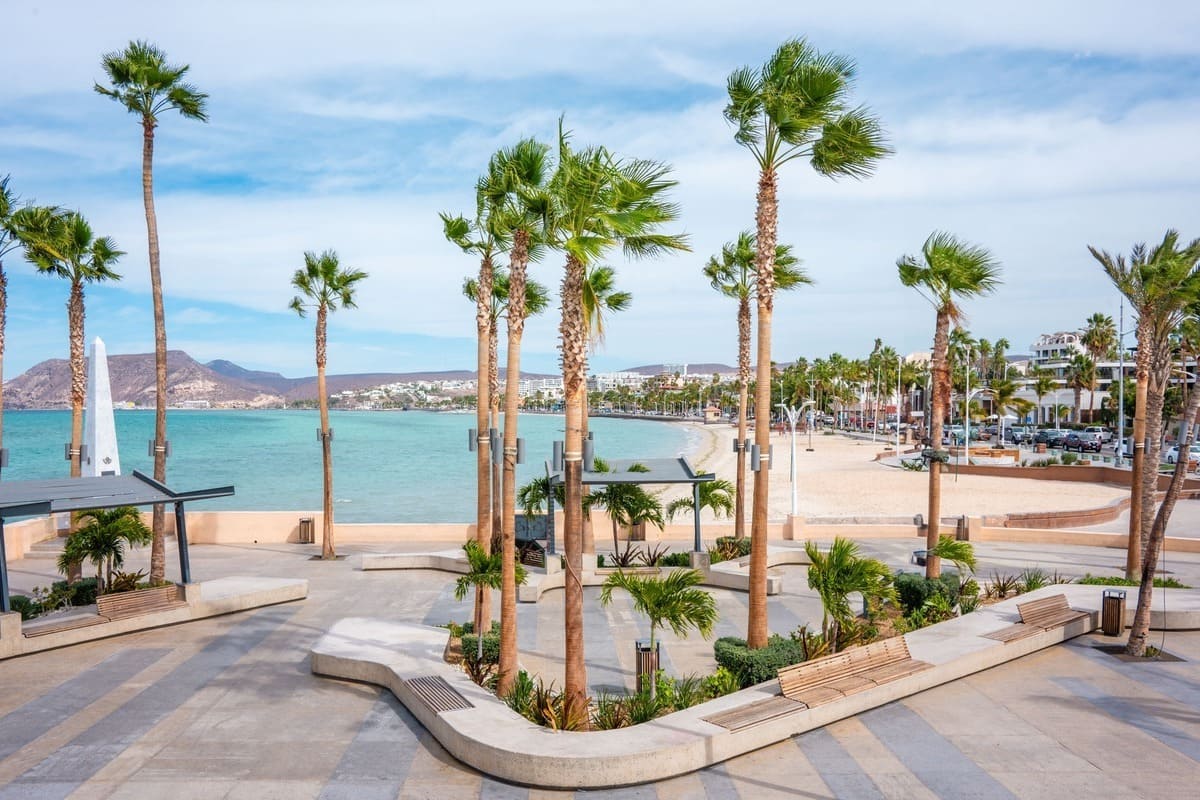
Is La Paz Mexico’s Most Loved Destination?
According to Luz María Zepeda Esquerra, the director of Fitupaz, the La Paz Tourism Trust, the municipality has registered a 10 percent increase year-on-year on air arrivals already.
Last year, it hosted 1.2 million guests. This year, between January and September, it had already reached the 986,743 mark.
 That’s up to early fall only: final trimester figures aren’t in yet, but from December 21, hotels are ‘practically full’, as reported by Agustín Olachea Nogueda, the President of the Association of Hotel and Tourism Businesses of La Paz.
Perhaps more interestingly, even is the fact that it’s young travelers driving up demand. More specifically, those aged 25–45, and based on self-reports, their level of satisfaction with La Paz as a destination averages 95%.
So what’s the secret mole here? What is it about this under-the-radar city that’s got travelers so hooked?
La Paz Is One Of Mexico’s Most Tranquil Spots
Well, for starters, La Paz is one of the most peaceful cities in the Mexican Pacific. It’s in the literal name: think Los Cabos, but even calmer, and just as beautiful.

It is best known for its scenic promenade (or Malecón), running along postcard-ready beaches, and backed by verdant parks, art installations, and bars.
In the center of town, there stands a towering Nuestra Señora de La Paz, a 19th-century cathedral built in classic Mission-style, with a modest, yet visually-impacting interior, wooden altarpieces, and a straightforward layout.
In the vicinity of the cathedral, Velasco Garden is a large urban park centered around a dancing fountain and a romantic pavilion, and with its curbside taco carts, it’s the perfect spot for enjoying some street food as you stroll around early in the evening.
Gorgeous Nature All Around
Besides its undeniable authenticity, La Paz boasts some of the most beautiful coastal nature in the Mexican Pacific.
It is located a short drive away from Espíritu Santo Island, a UNESCO-protected biosphere home to whale sharks, sea lions, and paradisaical beaches evocative of the Caribbean (and trust us, these are hard to find around these ends).
You can only visit with guided tours or official boat operators, and thankfully for tourists, most boats depart from the Malecon area, the seafront promenade in La Paz.
The peaceful Balandra Beach, known for its crystal-clear, lagoon-shallow waters and unique geological formations, is within equally easy reach of the city. A taxi ride there takes roughly 25–30 minutes, and a one-way rideshare costs between 200 and 300 Mexican pesos (roughly $10–15).
Even closer to La Paz, Playa El Coromuel is not to be missed if you’re looking for calm seas and a family-friendly environment, with a scenic small pier and plenty of beachfront cantinas serving delicious food at affordable prices.
Cheap & Safe To Visit
Speaking of prices, La Paz is probably one of the best-value-for-money destinations south of the border.
As per Numbeo estimates, a meal for two at an inexpensive, centrally-located restaurant costs $17.37, and in general, dining out here is a jaw-dropping 74% cheaper compared to Los Cabos.
Last but certainly not least, La Paz honors its name as a ‘peaceful’ destination: not once in recent years has it slipped from its U.S. Department of State-awarded Level 2 status, which means Americans are not discouraged from visiting, and very few tourists are affected by crime.
To sum it up, there are none of Cancun’s wall-to-wall resorts, overly-commercialized shopping districts, and there’s a real, lived-in downtown zone that feels like an actual community, not a staged show for visitors. As we like to say, come for the cheap cocktails, stay for the fascinating culture and untouched nature.
